Pipeline exposure, Corpus Christi
Expose a pipeline with water and a vacuum to confirm its depth and position before a crossing, an inspection or a tie-in.
A quote-request service, not a contractor. We pass your request to independent local operators who quote you directly.
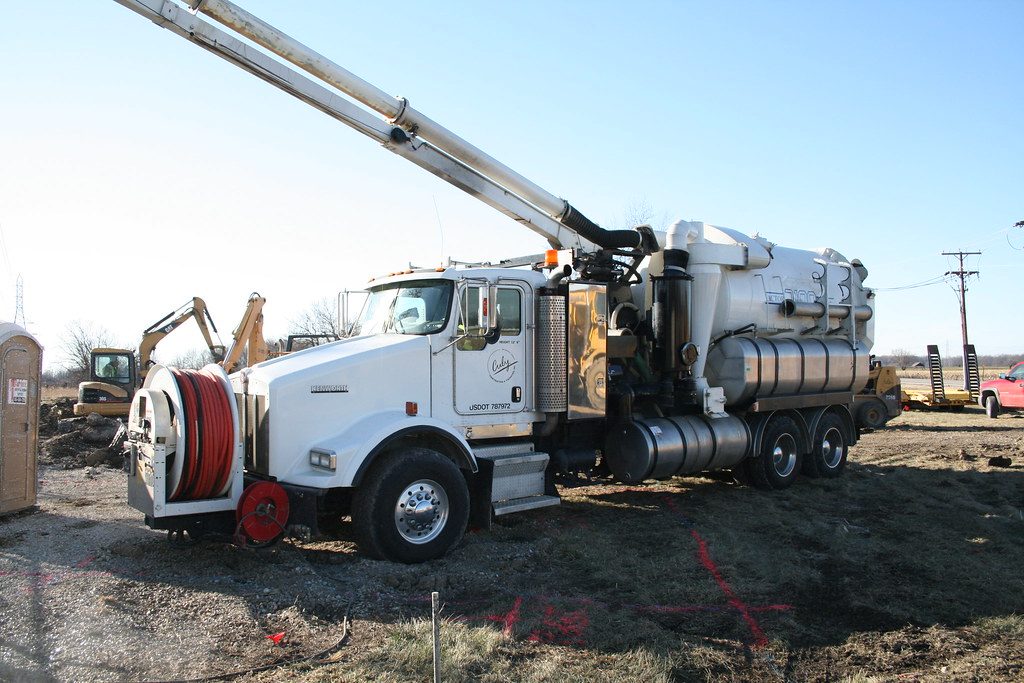
What pipeline exposure covers
Pipeline work needs the line seen, not guessed at. A hydrovac removes the soil around a pipe without a bucket, so crews can uncover it for a crossing, an inspection or a connection.
Typical requests
- Confirming depth and position at a planned crossing
- Uncovering a section of line for an integrity dig or inspection
- Exposing a line before a tie-in or branch connection
- Clearing around valves, markers and risers
- Test holes along a bore path that crosses a pipeline right-of-way
Who may dig, how close and with what are the pipeline operator's calls. Get their requirements before you send the request, and pass them on so operators can price them.
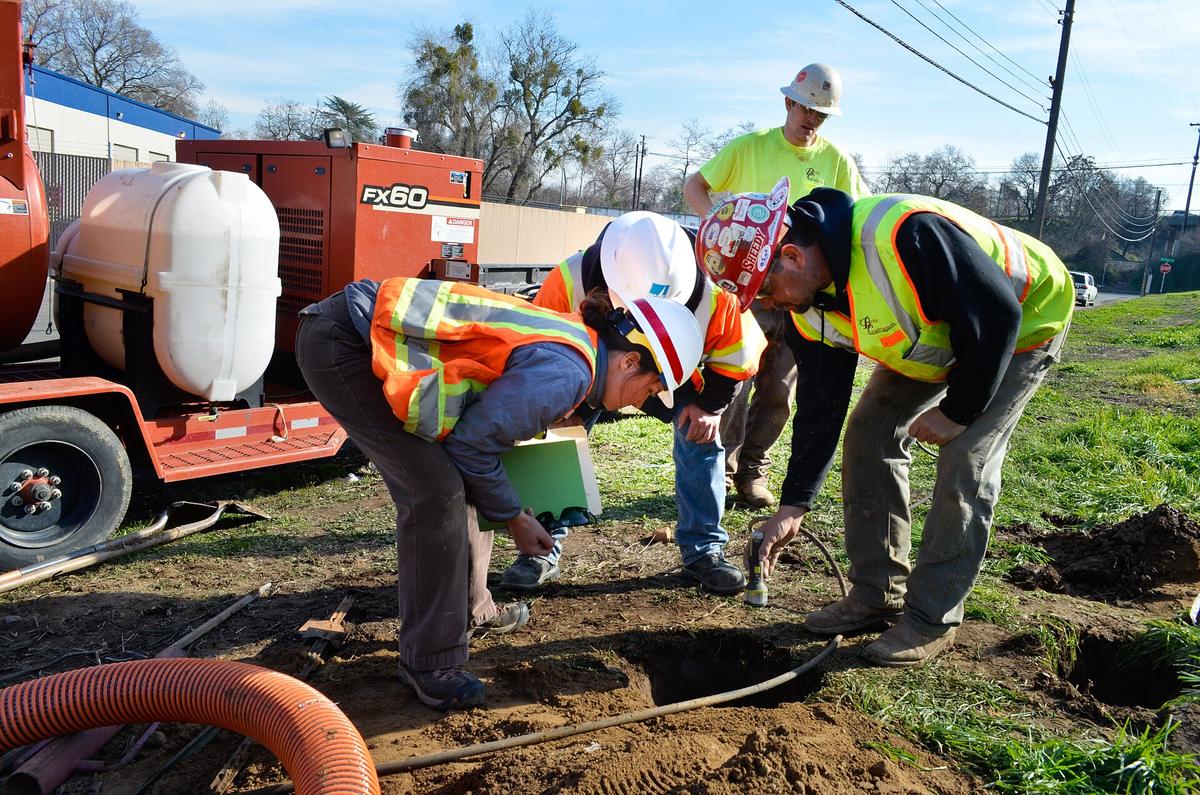
Digging next to the pipe
Vacuum, not a bucket
Water loosens the soil and the vacuum lifts it out, so no steel touches the pipe or its coating. Pipeline owners often prefer this near live lines. Ask the operator for its rule.
Hole size
Crews open only as much as the crossing or inspection needs. The size you need, and how the pipe is left, are set by the pipeline operator and agreed in the quote.
Getting a truck there
A truck needs a firm route to the site. Tell operators whether the right-of-way is paved, gravel or open ground, and whether a gate or landowner is involved.
When you need a line exposed
- Before a crossingIf your bore, trench or road work crosses a pipeline, expose it first to learn its depth and your clearance.
- For an integrity digPipeline integrity firms uncover sections of line for inspection. The pipeline operator sets the scope; the hydrovac does the digging.
- Before a tie-inSee the pipe, its size and its depth before anyone cuts or welds.
- When marks and records disagreePaint and drawings show roughly where a line runs. A test hole shows where it is.
- After damageOpen the area around a hit line without adding to the harm. See emergency line exposure.
Ask the operator
Many pipeline operators want notice and may send an inspector or set their own digging rules. Ask them these before the dig, not on the day.
| Ask | Why it matters |
|---|---|
| Notice | Does the operator want notice beyond the 811 ticket, and how far ahead? |
| Inspector | Will someone from the operator watch the dig? |
| Digging rules | How close may a machine dig, and must the last stretch be vacuum or hand-dug? |
| Hole size and backfill | What size of hole is allowed, and how must it be backfilled? |
| Qualifications | Does the operator require specific qualifications from the digging contractor? Ask each hydrovac operator about pipeline-specific qualifications too. |
| Damage plan | Who do you call, day or night, if the line is hit? |
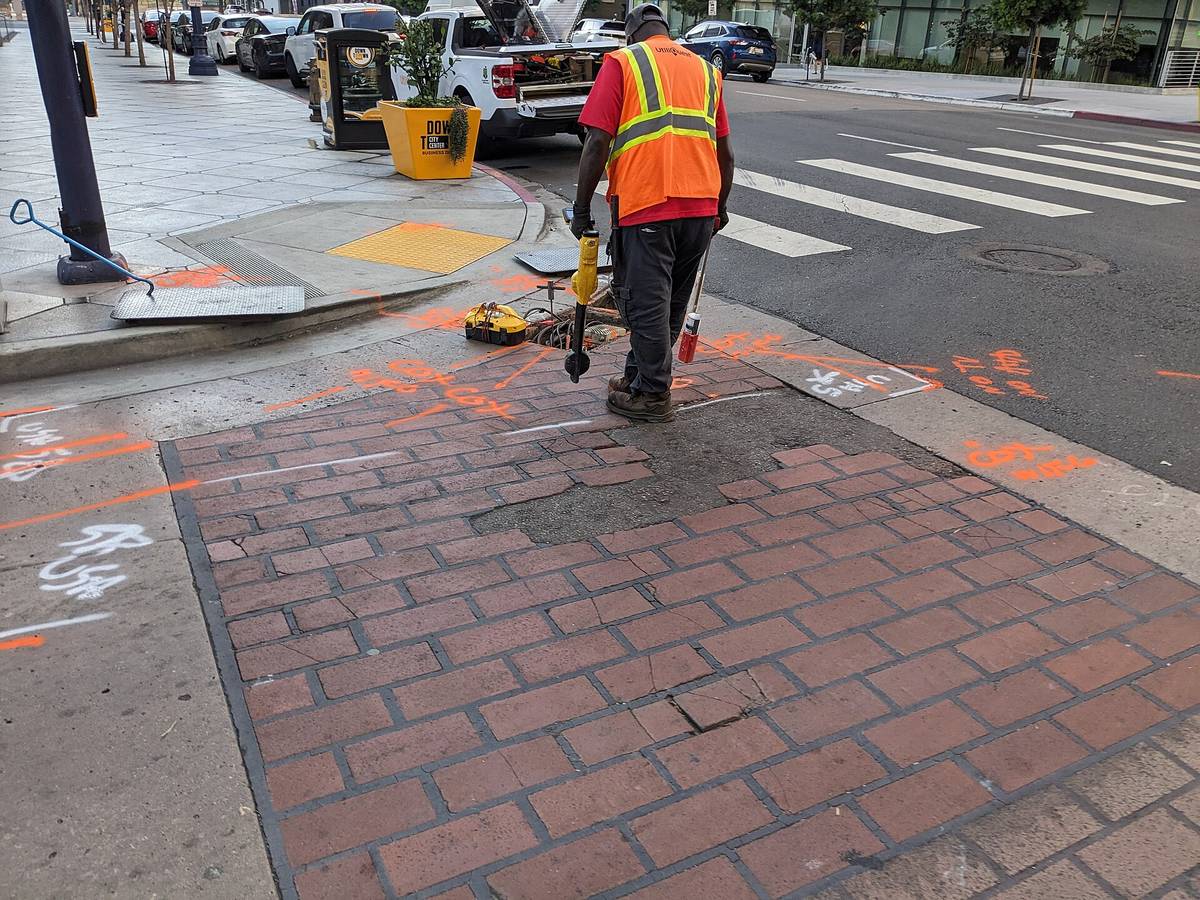
What to have ready
Operators price faster, and closer to the final bill, when these are in the request.
- The pipeline operator's name and a contact
- Line ID, size or product, if you know it
- Your crossing plan or drawing with the location marked
- Your Texas 811 ticket number and its expiry date
- Photos of line markers, locate paint and the right-of-way
- Number of holes and the depth you expect
- Who gives access if the right-of-way crosses private land
- Where the spoil goes: hauled off, or left on site
811, pipelines and permits
Texas 811
Excavators generally must notify Texas 811 at least 48 hours before digging, not counting weekends and legal holidays. The call is free. If your job runs long, the ticket can expire: check the current rules and renew before it does.
Damage reporting
If a pipeline is damaged in any way, the excavator must notify the pipeline operator and Texas 811. Stop work near the damage and keep people back. If gas or liquid is escaping, leave the area and call 911.
The pipeline operator
Operators set their own rules for digging near their lines. Ask for them in writing if you can, and give them to the hydrovac operator.
Streets and plants
Digging in a Corpus Christi street or right-of-way can need a city permit. Ask the City of Corpus Christi which permit applies before you schedule the truck. Inside plants and terminals, facility rules add to this.
When can you dig?
Texas 811 generally needs at least 48 hours' notice before you dig, and weekends and legal holidays don't count. Enter when you call to see the earliest usual start.
Earliest usual start
Example: call on a Thursday at 10 a.m. and the earliest usual start is Monday at 10 a.m. If a legal holiday falls inside the window, add a business day. This is a planning aid, not legal advice: Texas 811 and the line owners have the final word, and tickets expire on long jobs, so renew before yours runs out.
Pipeline exposure questions
Can a hydrovac expose a live pipeline?
Vacuum excavation is the usual way to uncover buried lines without striking them. Whether you may dig next to a particular pipeline, and how, is the pipeline operator's decision, so ask the operator before you plan the dig.
Do I have to tell the pipeline operator before I dig?
Texas 811 notice comes first. Many pipeline operators also want direct notice and may send an inspector or set their own rules. Ask the operator; don't assume the 811 ticket covers it.
What if the pipeline is damaged?
Stop work and keep people back. The excavator must notify the pipeline operator and Texas 811. If gas or liquid is escaping, leave the area and call 911.
Do hydrovac operators need special qualifications for pipeline work?
Pipeline work can require them. We have not confirmed what any operator holds, so ask each operator about pipeline-specific qualifications, and ask the pipeline operator what it accepts.
What does a pipeline exposure cost?
Published guides put hydrovac work at roughly $200 to $450 an hour, and day rates around $3,500 to $4,500, as typical market ranges. These are not our rates, and operators can quote outside them. Price depends on the number of holes, depth, soil, surface, access, disposal and any inspector standby.
Price your pipeline dig
Pipeline exposure is already picked. Add the town, the operator's name and your 811 status.
We pass your request to independent local operators who quote you directly. We don't own trucks or do the digging.