Vacuum trucks, Corpus Christi
Vacuum trucks to pull mud, spoil and water out of pits, vaults and excavations, with disposal quoted for each job.
A quote-request service, not a contractor. We pass your request to independent local operators who quote you directly.
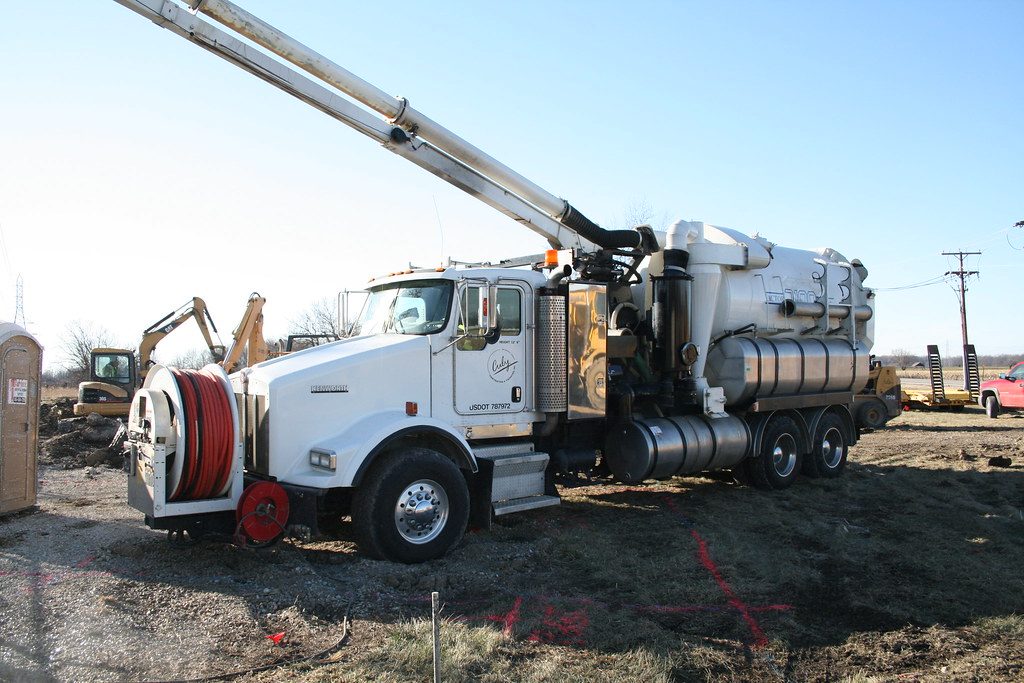
What vacuum trucks cover
A vacuum truck has a tank and a vacuum pump. It draws loose material, from slurry and mud to water and soil, through a hose and into the tank, out of places that are hard to clear by hand.
Typical requests
- Slurry and mud left in a hole, pit or trench
- Standing water in an excavation
- Spoil from a hydro-excavation job that needs hauling
- Soil, silt and water in a vault, sump or utility box
- Keeping an excavation clear for a repair crew
This page covers excavation-related liquids and spoil. Other waste, such as chemicals or industrial liquid, has its own rules, and we have not confirmed that operators handle it. Describe the material under Other / not sure and ask operators directly.
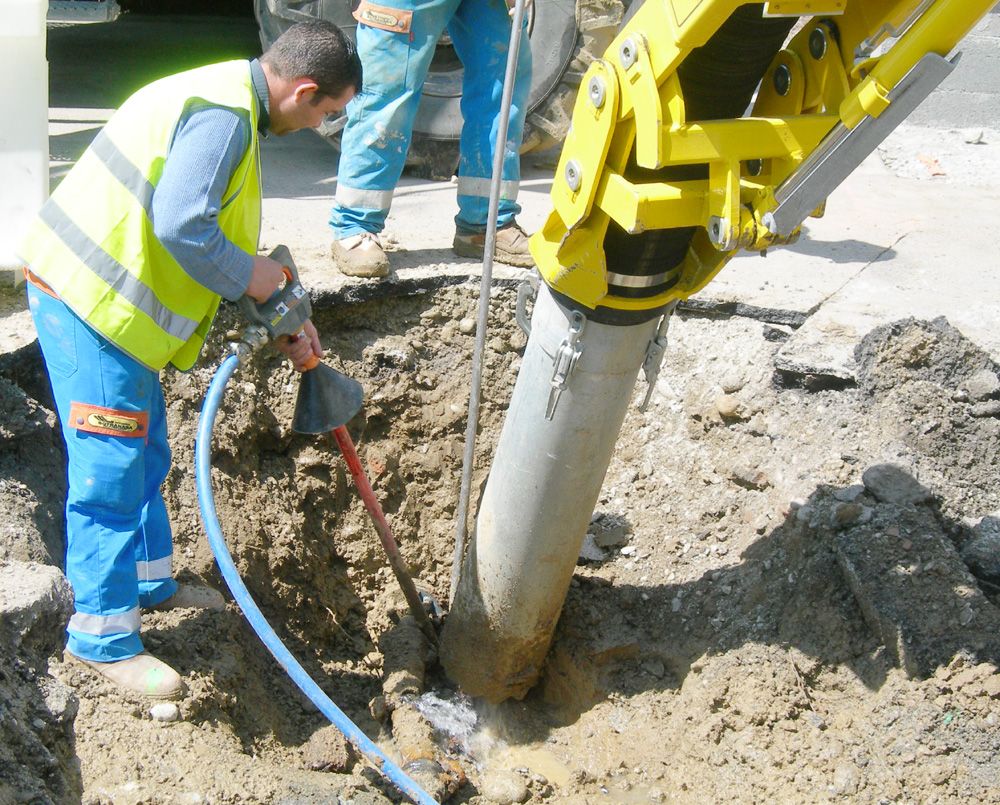
Tank, hose and disposal
Tank and hose
A pump draws the material through a hose into the tank. Tank size sets how much one load holds, and the distance to the disposal site sets how long the truck is away.
Wet and dry
Slurry and water are pumped; loose soil can be vacuumed too. Operators differ in what their trucks handle, so say what is in the hole.
Disposal
What can go where depends on what the material is and where it came from. The operator you hire should handle it lawfully and be able to tell you where it goes. Ask.
When to bring a vacuum truck
- After hydro-excavationA water-cut hole leaves slurry. A vacuum truck, often the same hydrovac, clears it before the next step.
- Wet excavationsRain or groundwater in a pit holds up the work. Pull it out before the crew goes in.
- Plant maintenanceIndustrial and plant maintenance teams use vacuum trucks to clear pits and sumps. The site's rules for the material apply.
- Before backfill or pavingSilt and standing water left in a hole cause problems later. Clear them first.
- Where a hose reachesA hose gets into tight spots a bucket machine can't. See small digs.
Know what's in it
Disposal depends on what the material is, so the operator needs a straight answer. If you are not sure, say so.
| Material | Tell the operator |
|---|---|
| Soil and slurry from a dig | Roughly how much, and what the site was used for |
| Water in an excavation | Rough volume, and whether it is rain, groundwater or something else |
| Material from a plant | What it is and where it came from; the plant's rules apply |
| Anything unknown, oily or smelly | Say so up front. Don't guess; disposal depends on it. |
What to have ready
Operators price faster, and closer to the final bill, when these are in the request.
- Rough volume: gallons, cubic yards or truck loads
- What the material is and where it came from
- Where the truck can park and how far the hose must reach
- Surface and ground: paved, gravel or soft
- Where you want it taken, or whether you want the operator to arrange it
- Site rules, access hours and a contact
- Whether you also need digging done: see daylighting or slot trenching
811, pipelines and permits
Disposal
Disposal rules depend on what the material is. The operator you hire handles disposal, and you should ask where it goes. We have not confirmed local permit requirements for waste.
Texas 811
If the job includes digging, the usual notice applies. Excavators generally must notify Texas 811 at least 48 hours before digging, not counting weekends and legal holidays. The call is free. If your job runs long, the ticket can expire: check the current rules and renew before it does.
City streets
Digging in a Corpus Christi street or right-of-way can need a city permit. Ask the City of Corpus Christi which permit applies before you schedule the truck.
Plants and terminals
Facility rules sit on top of state law: orientation, safety pre-qualification, insurance certificates and work permits. The operator you hire has to meet them, so put them in the request.
Vacuum truck questions
What can a vacuum truck remove?
Slurry, mud, spoil, standing water and loose soil from pits, vaults and excavations. Other materials, such as chemicals or industrial liquids, have their own rules. We have not confirmed that operators take them, so ask.
Who handles disposal?
The operator you hire. What can go where depends on what the material is, so tell the operator what you know, and ask where it will be taken.
Is a vacuum truck the same as a hydrovac?
A hydrovac is a vacuum truck with a water tank and pump so it can also dig. A plain vacuum truck only removes material. Say in the form which one you need.
What does vacuum truck work cost?
Published guides put hydrovac work at roughly $200 to $450 an hour, and day rates around $3,500 to $4,500, as typical market ranges. These are not our rates, and operators can quote outside them. Those ranges are for hydrovac work; vacuum-only work may differ. Haul distance, disposal and the material itself are quoted for each job.
Price your vacuum job
Vacuum truck & slurry removal is already picked. Add the town, the material and a rough volume.
We pass your request to independent local operators who quote you directly. We don't own trucks or do the digging.